Städel Schema Tag Generation
Analysis Instructions
Carefully examine the provided artwork image and generate a comprehensive analysis covering the following categories.
🖼️ Iconographic Analysis (What is depicted)
Ikon.Person.Name
Identify all figures depicted in the artwork.
- Use
typecategories:PersonPersonengruppeFamilieOrganisationInstitution - List specific names or identities in the
valuesarray. - Include religious figures, historical persons, mythological characters, or generic roles.
Ikon.Thema
Catalog all visual elements by thematic categories. Each artwork should be analyzed across the following thematic axes. These categories aim to capture not only what is depicted but also how and why. Assign all relevant categories and values. You may use multiple categories for a single motif if appropriate.
Mensch (Human Presence & Expression)
Representations of human figures in all their diversity: body parts, age groups, postures, gestures, emotions, interactions, states of life or death. Includes physiognomy, dress style when tied to the body, and group dynamics, such as crowds or couples.
Kultur (Material & Social Culture)
Human-made artifacts, tools, clothing, architecture, transport, furniture, musical instruments, food, ritual objects, inscriptions, decorative elements, books, and signs of status or everyday life. Also includes acts of craftsmanship and trade.
Natur (Natural World)
Flora, fauna, weather, geology, landscapes, natural light, celestial bodies, and any organic matter not made by humans. Includes symbolic or mythological use of natural forms.
Religion (Religious Concepts and Symbols)
Visual elements with religious function or meaning: saints, angels, deities, religious garments, rites, sacraments, and sacred paraphernalia across various faiths. Includes depictions of prayer, martyrdom, divine manifestations, and rituals.
Bibel (Biblical Motifs)
Narrative scenes, characters, and symbols specifically from the Old and New Testaments. Includes canonical episodes, apocryphal elements, or widely recognized Christian iconography, such as Passion scenes, Judaskuss, or Arche Noah.
Mythologie (Mythological Themes)
Creatures, deities, heroes, allegories, or episodes from Greco-Roman, Germanic, or other myth traditions. Includes hybrid beings, magical elements, and personifications with mythic origin.
Geschichte (Historical Themes)
Events, figures, or symbols tied to known historical moments, processes, or commemorations. Includes scenes of war, diplomacy, conquests, or collective memory such as triumphal entries or historical costumes.
Geografie (Topography & Named Places)
Identifiable real-world locations, such as cities, rivers, mountains, buildings, and streets, whether ancient, contemporary to the artist, or referenced for symbolic context. Also includes architectural landmarks and regional landscapes.
Abstraktion / Ideen / Konzepte (Abstract or Intellectual Constructs)
Visualizations of immaterial concepts such as time, power, virtue, death, vanity, memory, transformation, duality, and inner states. Includes personifications, allegories, or formal metaphors such as cycles, ruptures, or silhouettes.
Gestaltungselement (Compositional Techniques & Visual Strategies)
Artistic decisions related to spatial construction, depth, rhythm, focal points, layering, lighting, and visual emphasis. Includes uses of diagonals, contrasts, framing, and gaze direction that shape meaning beyond the subject matter.
Formelement (Formal or Structural Features)
Geometric shapes, contours, lines, and patterns that serve as the building blocks of the composition or its motifs. Includes circles, triangles, grids, symmetry, and framing devices.
Ikon.Hauptmotiv.allgemein
Primary subject classification. Can contain multiple values.
Ikon.Hauptmotiv.im_einzelnen
Specific central motifs. Can contain multiple values.
- List key subjects, entities, or concepts that are central to the visual narrative.
- Use terms that describe what the artwork is mainly about.
🧠 Associations and Context
Assoziation.Person
Related historical or cultural figures not directly depicted but associated with the work's theme, origin, or interpretation.
Use the same type categories as Ikon.Person.Name.
Assoziation.Thema
Associated themes reflecting deeper cultural, religious, or symbolic meanings.
- Use the same
typecategories asIkon.Thema. - Include interpretive layers, moral concepts, cultural references, biblical or geographical connections.
🌫️ Emotional and Atmospheric Interpretation
Atmosphäre
Mood or ambiance of the artwork. Can contain multiple values.
- Consider both explicit emotional content and subtle atmospheric effects.
- Account for how color, composition, and subject matter contribute to mood.
- Include contrasting atmospheres when artwork contains emotional complexity.
Emotion
Emotional tone or viewer reaction. Can contain multiple values.
- Consider both immediate emotional impact and sustained viewer reaction.
- Account for how subject matter, technique, and composition contribute to emotional tone.
- Focus on the viewer's likely emotional response rather than depicted emotions.
- Include contrasting emotions when artwork creates emotional tension.
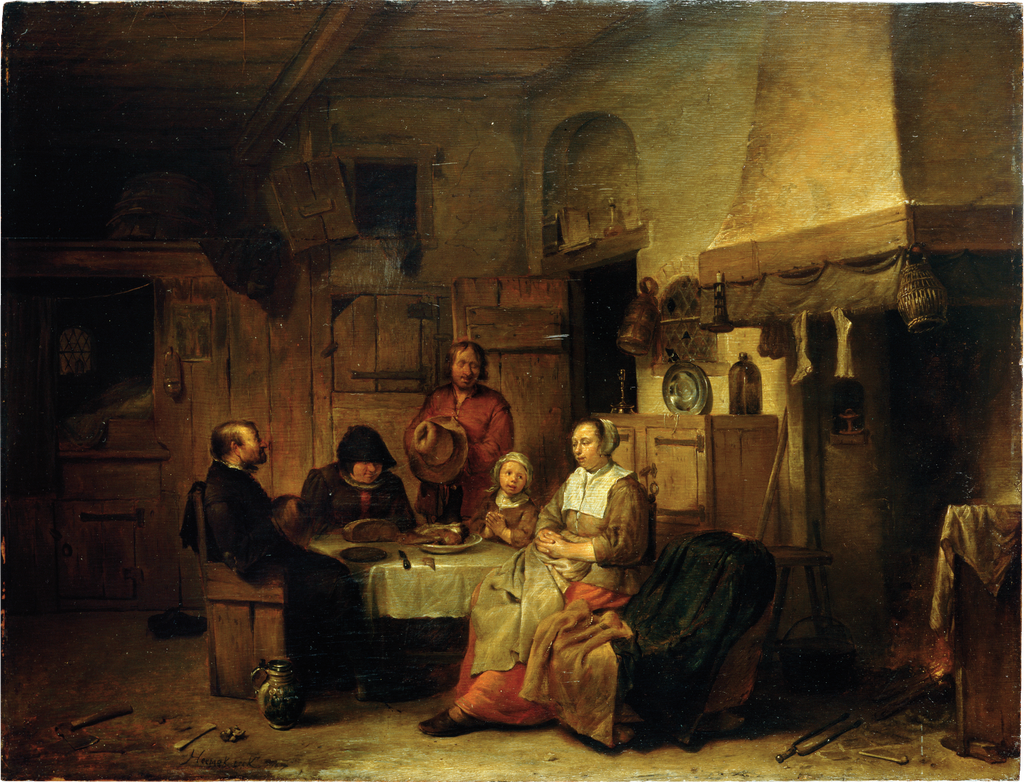
Title: Eine vor der Mahlzeit betende Familie;Das Tischgebet
Artist: Heemskerck, Egbert Jaspersz. van
Object number: 3
Object type: Gemälde
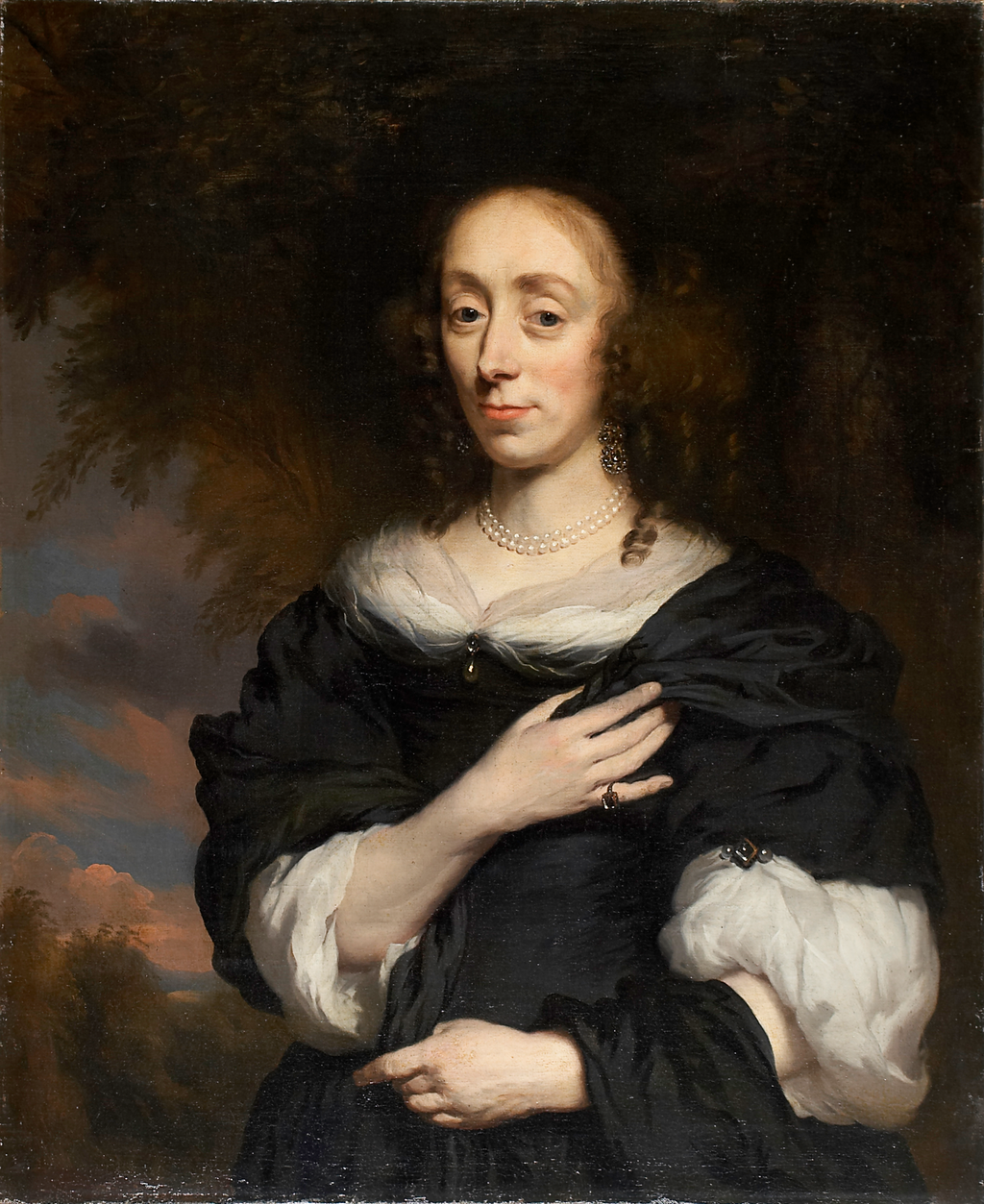
Title: Bildnis einer Dame in einem schwarzen Kleid
Artist: Maes, Nicolaes
Object number: 13
Object type: Gemälde
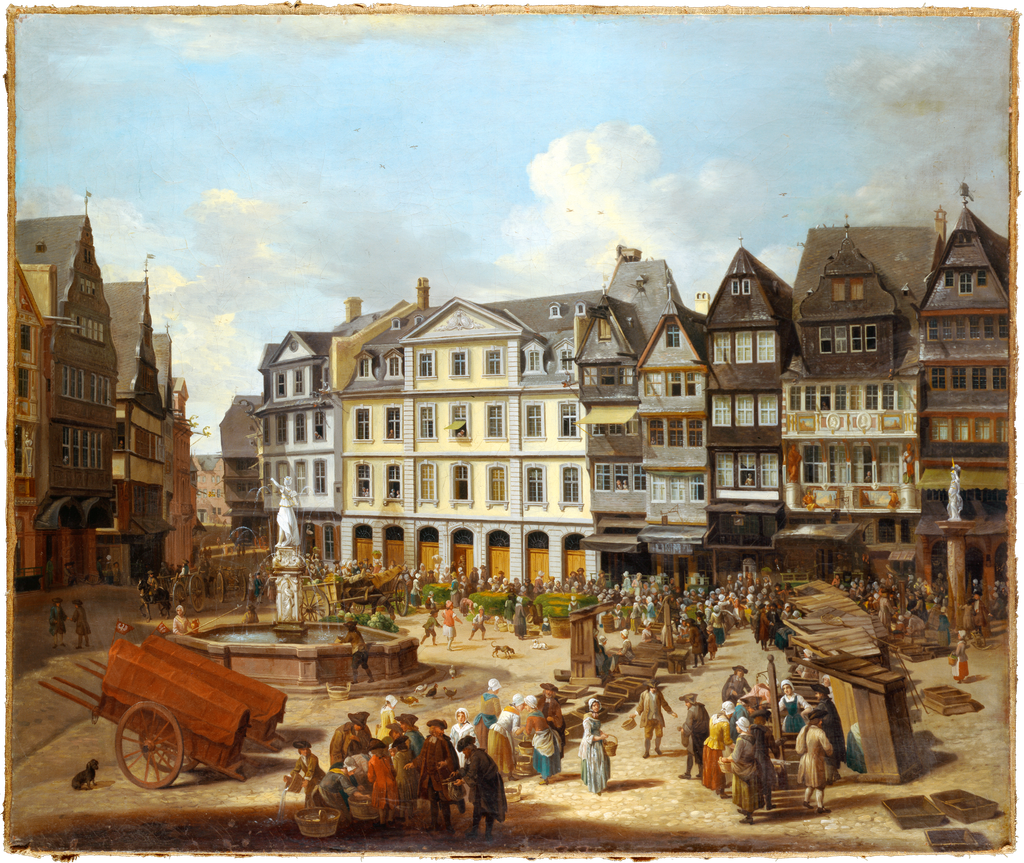
Title: Frankfurter Römerberg am Markttag;Der Römerberg in Frankfurt am Main
Artist: Schütz d. Ä., Christian Georg
Object number: 14
Object type: Gemälde
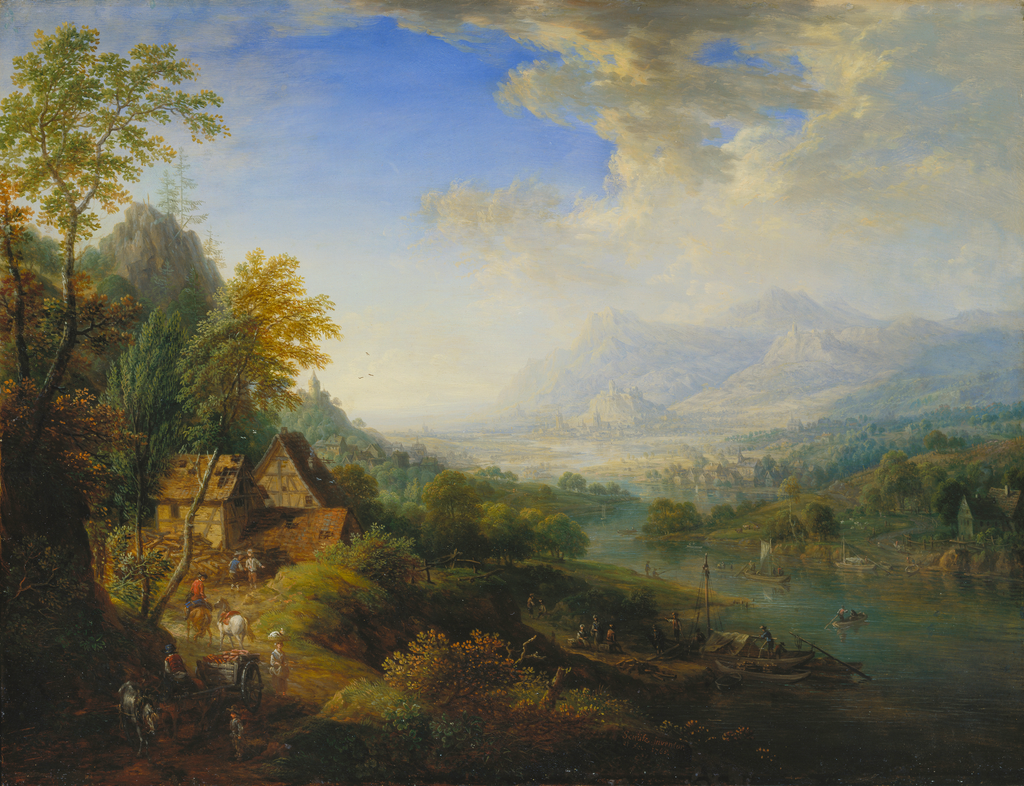
Title: Flusslandschaft
Artist: Schütz d. Ä., Christian Georg
Object number: 18
Object type: Gemälde
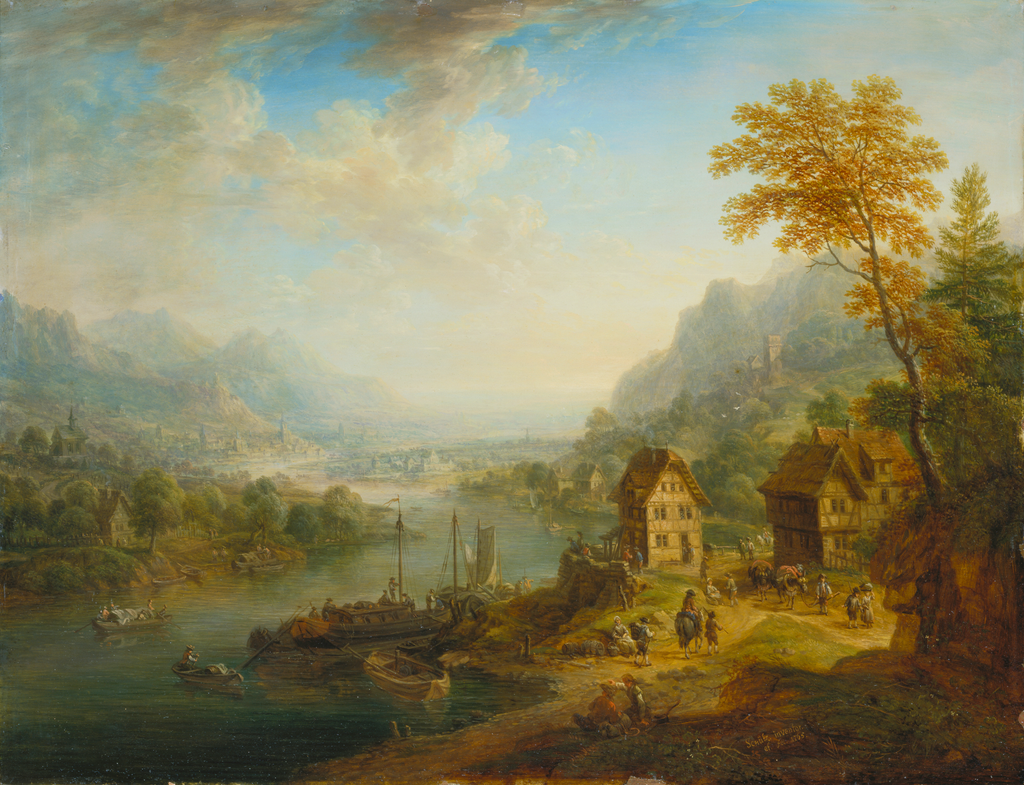
Title: Flusslandschaft
Artist: Schütz d. Ä., Christian Georg
Object number: 19
Object type: Gemälde